.svg)

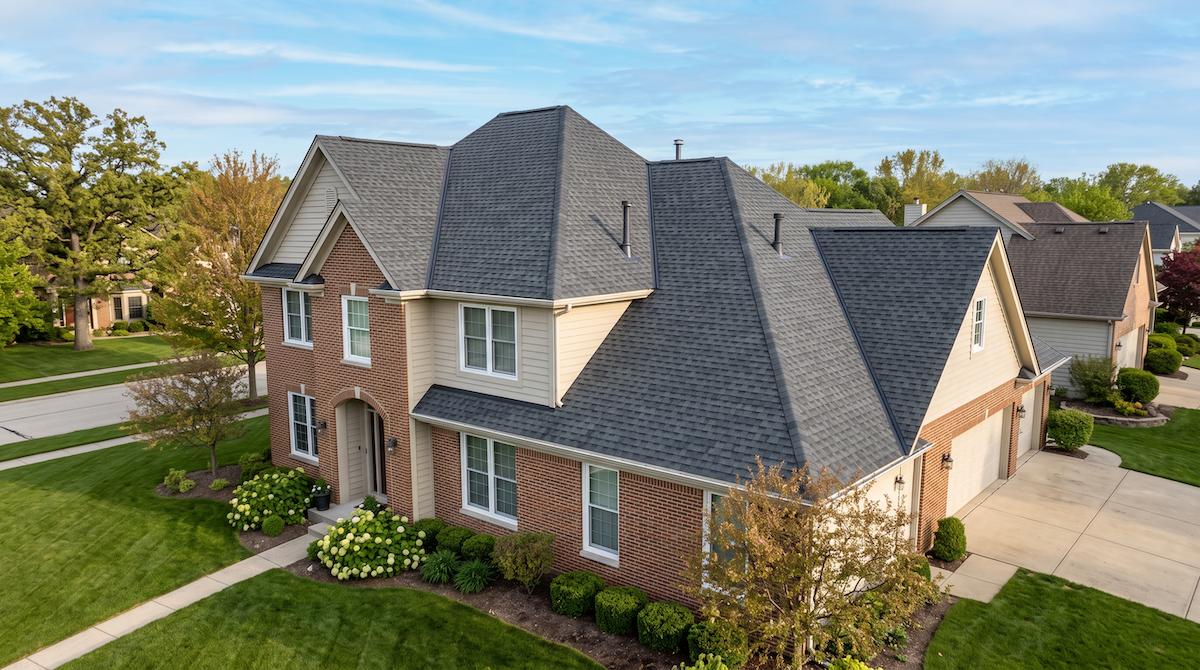

One of the most common questions homeowners ask about roofing is simple: How long should a roof actually last?
There isn't one universal answer.
The lifespan of a roof depends on the materials, installation quality, ventilation, maintenance, weather exposure, and age of the home.
For Illinois homeowners, seasonal weather can also play an important role.
Roofing Materials Matter
Different roofing materials have different expected lifespans.
Traditional asphalt shingles are common throughout Chicagoland, while premium architectural shingles and other roofing materials may have different durability characteristics.
The important thing is to understand what was installed on your home and when.
Illinois Weather Takes a Toll
Roofs in Illinois experience significant seasonal changes.
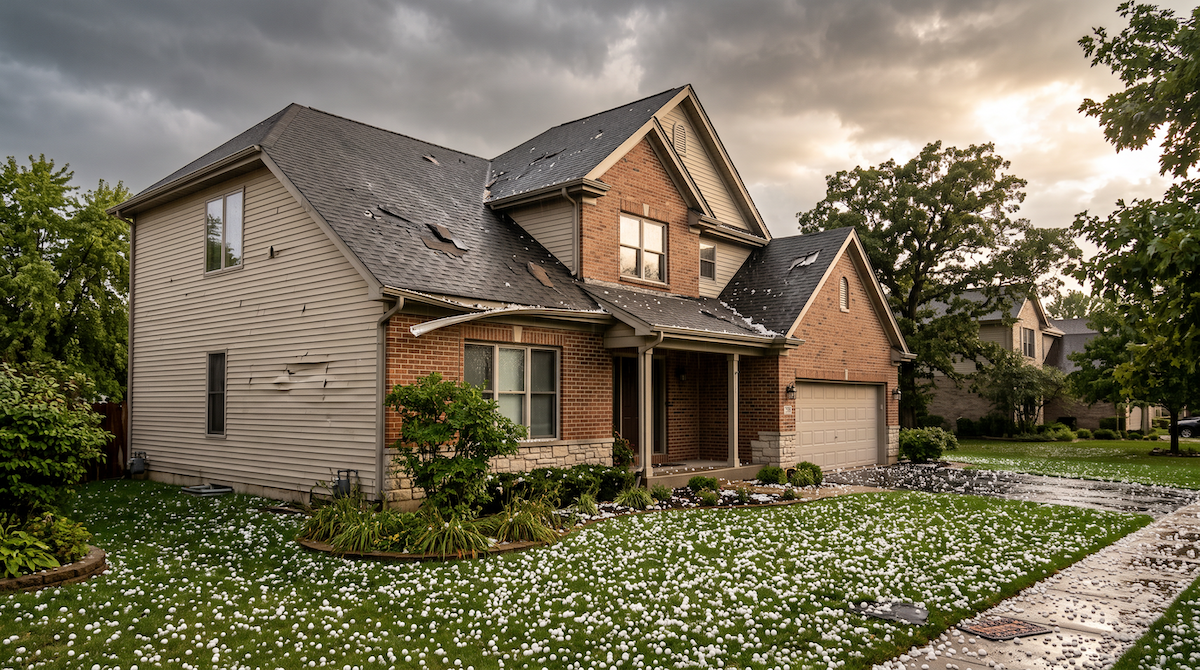
Summer heat, winter freezing temperatures, snow, ice, wind, hail, and repeated temperature swings can all contribute to wear.
Even when damage isn't immediately visible, repeated exposure can gradually reduce the performance of roofing materials.
Look for Warning Signs
Homeowners should watch for:
- Missing or damaged shingles
- Curling or cracking
- Excessive granule loss
- Damaged flashing
- Recurring leaks
- Visible sagging
These signs don't automatically mean the entire roof needs replacement, but they warrant closer inspection.
Age Matters
If your roof is approaching the later part of its expected lifespan, an inspection can help you plan ahead.
Waiting until a major leak develops can turn a manageable project into an emergency.
Planning a replacement in advance gives homeowners more control over timing, materials, and budget.
If you're unsure how much life is left in your roof, 1st Home can inspect the system and help you understand your options.